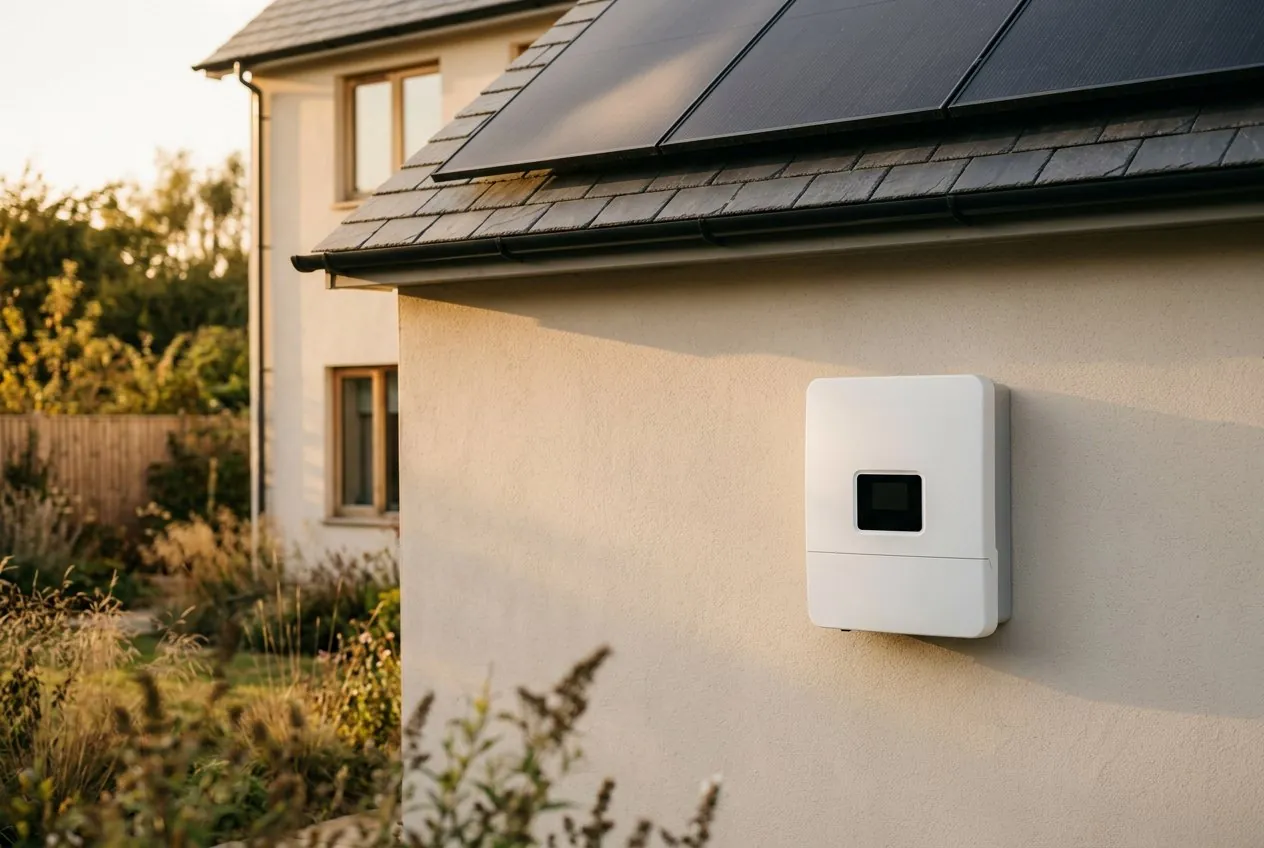
It surprises almost everyone the first time. The sun is out, the roof is covered in panels, and the house is dark.
The cause is a safety requirement built into every grid-connected inverter, and it is not a defect. A grid-connected inverter must disconnect the moment it detects that the utility supply has failed. If it did not, it would carry on pushing electricity into the local network, which is the scenario that endangers anyone working on the line. The protection is called anti-islanding, and no properly certified inverter is permitted to skip it.
So neither the panels nor the inverter have failed. The system is doing exactly what it is required to do. What is missing is a second capability: the ability to disconnect from the grid, form its own stable supply, and run a defined part of the property from stored energy.
Why this matters particularly here
Ethiopia's electricity is almost entirely hydroelectric. Of roughly 9,730 MW of installed generation capacity, about 9,201 MW is hydropower, which is close to 95% of the total. Wind contributes around 504 MW, and solar around 15 MW.
A grid built that way is clean and inexpensive to run, and it also ties supply to rainfall and reservoir levels. Pressure tends to concentrate in the dry months, before the main rains refill storage, and demand is climbing quickly as more homes, industrial parks and vehicles connect. Peak demand is projected to rise from around 4,289 MW in 2025 to many times that figure over the coming decades.
None of which is an argument that the grid is bad. It is an argument that a property which cannot afford to stop should hold some of its own energy, and that rooftop solar in Ethiopia is genuinely additive rather than duplicating what is already there.
What a hybrid system changes
A hybrid inverter such as PowerSync™, paired with a compatible TerraVault™ or TerraVault Max™ battery, can do that second job. When the supply fails it isolates from the grid and continues powering a set of circuits chosen and wired at installation.
Two words in that sentence carry the weight. Selected, because backup is not a switch that keeps the whole property running regardless of what is plugged in. And compatible, because the relationship between a particular inverter and a particular battery is a documented one rather than an assumption.
What essential loads means in practice
During the design your circuits are divided. Some stay live during an outage and some do not. Lighting almost always makes the list, along with the router, phone and laptop charging, refrigeration, fans and small circulation pumps, and security equipment such as gates, cameras and alarms. In a clinic or a small business, the critical equipment goes on the list too.
What is usually left off it: electric water heating, air conditioning across a whole building, large motors, workshop machinery, and anything with a very high starting current.
And in an Ethiopian home there is one appliance that settles the argument on its own. A conventional electric mitad is rated at roughly 3.5 to 4 kW, which makes it the single largest electrical load in most households. It is the reason lights visibly dim while injera is baking, and the reason other heavy appliances are rarely run at the same time. Put a mitad on the backup circuit and a 10 kWh battery would be substantially emptied by a single baking session, with nothing left for the lights.
The reasoning is arithmetic rather than caution. Backup capacity is finite, and it should be spent on the things that cannot wait rather than the things that can be done an hour later.
How long will it last?
Runtime is capacity divided by load, adjusted for what the inverter can deliver and what the sun is doing at the time. There is no honest single answer, and any supplier who offers one without first asking what you want to run is guessing.
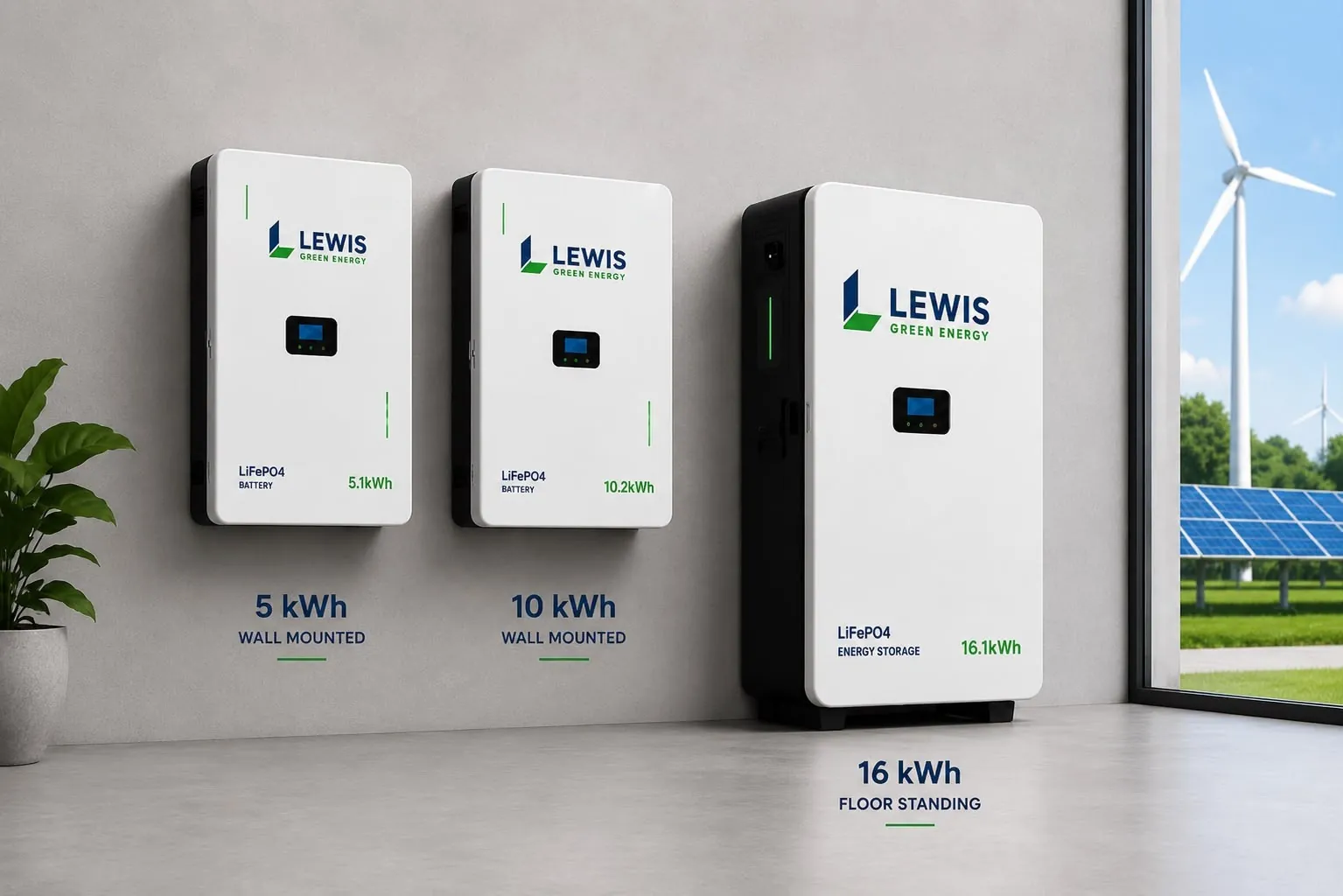
What is fixed is the capacity on offer. TerraVault™ and TerraVault Max™ are available at 5.12, 10.24 and 16 kWh, and choosing between them is covered later in this series.
The important point about a long interruption is that a solar system is not a UPS running down a clock. If the sun is up, the panels are recharging the battery while it discharges. A well-sized hybrid system on a highland roof can carry essential loads through a multi-day interruption, which a generator can only match by being refuelled, at whatever fuel costs that week and assuming it is available.
Where off-grid takes over
If your supply is not so much unreliable as effectively absent, the premise of the design changes. That is the situation for a great many properties outside the main towns: farms, lodges, rural health posts, telecoms sites and businesses on the edge of the network.
PowerGuard™ treats solar and storage as the primary source, from 5 to 20 kW, with optional compatible generator input for the rare stretch when weather and demand collide. The question in those cases was never what happens during an outage, but what runs this site every day.
Four things to establish before you sign
- Exactly which circuits are on the backup supply. Ask for the list in writing, on the quotation.
- The backup power rating, not just the battery capacity. Capacity tells you how long; the rating tells you how much at once. Both constrain what will actually run.
- How the changeover behaves, and whether sensitive equipment will see a brief interruption.
- Whether the battery appears on the approved compatibility list for that inverter. Compatibility depends on battery voltage, BMS communication and system design.
Common questions
Do solar panels work during a power cut?
They generate, but a standard on-grid system will not supply the property. The inverter disconnects automatically for electrical safety. Only a hybrid or off-grid system with compatible battery storage can continue powering selected loads.
Can I run my mitad on battery backup?
It is not recommended. A conventional electric mitad draws roughly 3.5 to 4 kW and is the largest single load in most Ethiopian homes. Running one from storage would consume a large share of a typical home battery in a single session. Backup is designed for lighting, refrigeration, connectivity and security.
Will a battery run my whole house during an outage?
Normally no, and it is not designed to. Backup covers a selected set of essential circuits agreed at installation. High-draw loads such as electric water heating, cooking and whole-building air conditioning are usually excluded so that the stored energy lasts.
How long does a home battery last in a power cut?
It depends on capacity and on what is connected. A 5.12 kWh battery covering lighting, refrigeration and connectivity behaves very differently from a 16 kWh battery running a small business. Runtime is confirmed during system design, and daytime solar recharges the battery while it is in use.
Can I keep my generator as well?
Yes. Off-grid designs using PowerGuard™ can accept optional compatible generator input, with solar and storage doing the everyday work and the generator held as a last resort. Generator support depends on the selected model and system design.